Choosing a Guitar
Buying guides, comparisons and technical explanations for players and buyers.
Explore Guitar Guides
Know the Details. Choose With Confidence.
Independent guitar guides, technical explanations, comparisons and retail intelligence for players, buyers and musical instrument professionals.
Use the player and buyer path for instrument choices, or the retail path for range planning and product evaluation.
Buying guides, comparisons and technical explanations for players and buyers.
Explore Guitar GuidesRetail intelligence for assortment planning, specification review and sample evaluation.
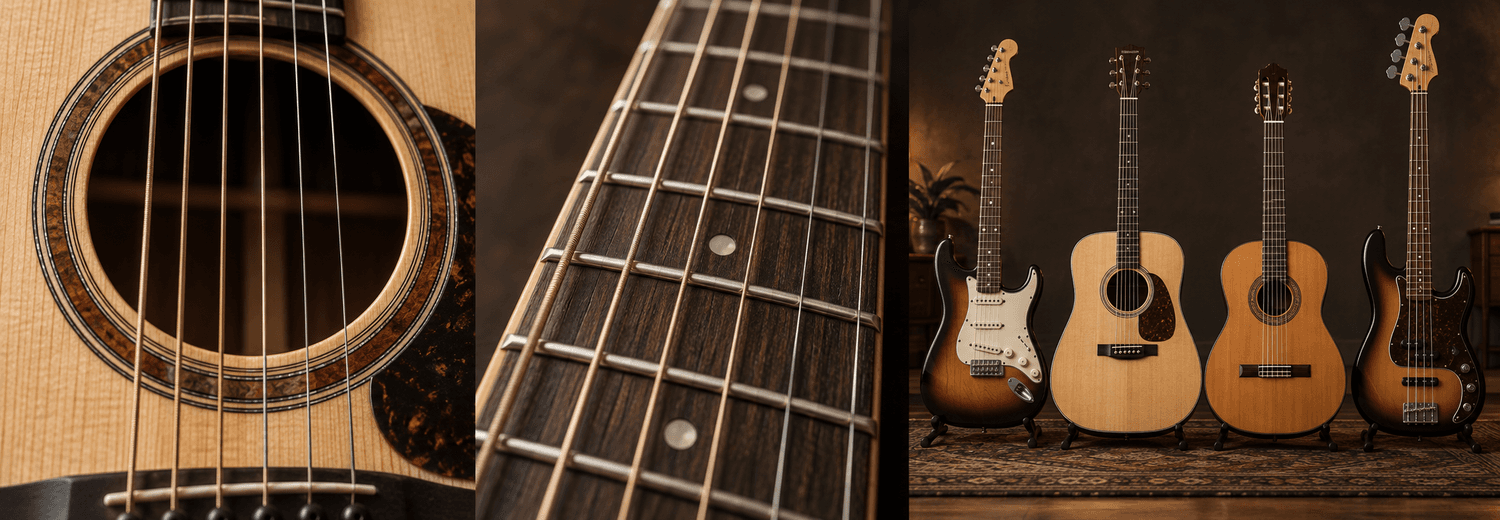
Explore Retail IntelligenceDifferent constructions. Different voices. A guitar for every player and purpose.
Explore all guitar typesHSS and SSS describe pickup layout, read from bridge to neck. Check the exact pickups and switching on the model you are comparing.
Read the full comparison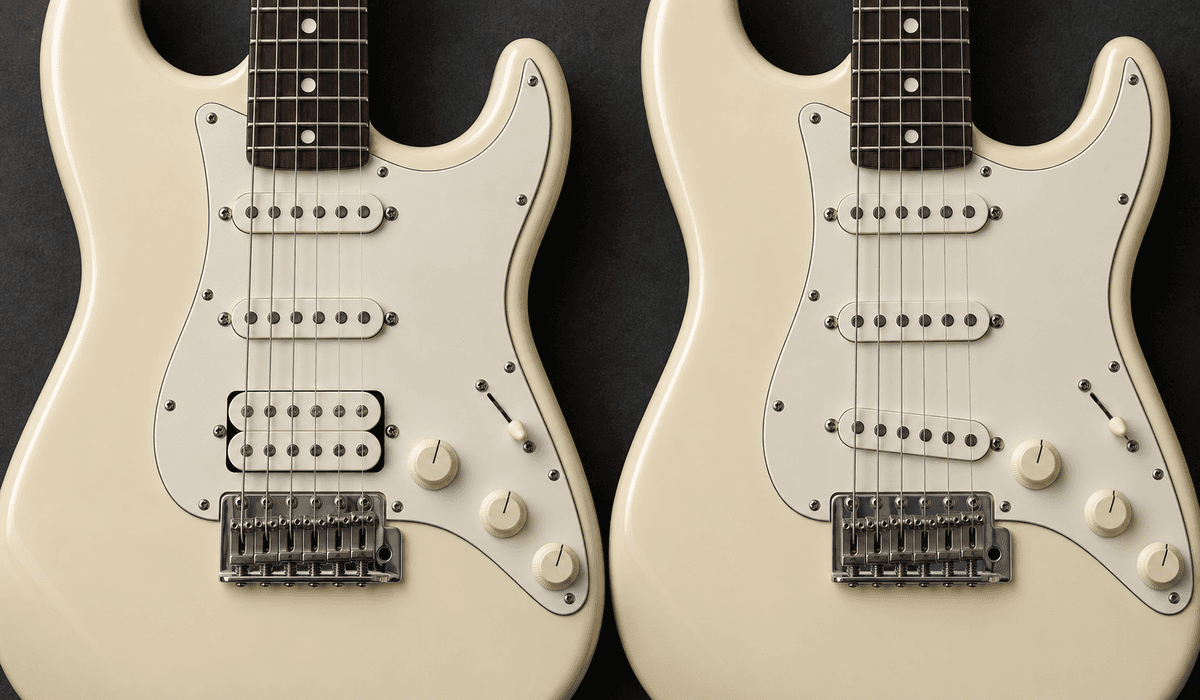
| Feature | HSS | SSS |
|---|---|---|
| Bridge pickup | Humbucker | Single-coil |
| Middle and neck pickups | Single-coils | Single-coils |
| Check on the model | Pickup specifications and switching | Pickup specifications and switching |
In-depth guides to the materials, components and design choices that shape feel and performance.
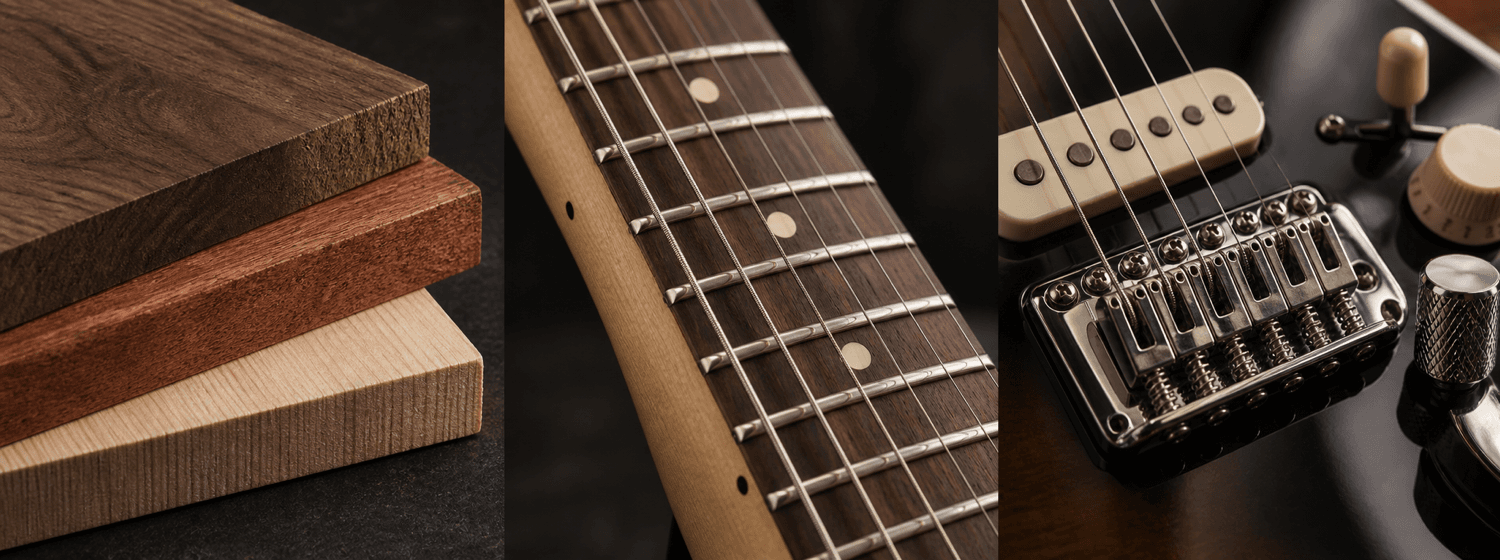
How different woods affect response, weight and character.
Neck profiles, scale lengths and construction choices.
Bridges, tuners, pickups and controls explained.
Turn product knowledge into a smarter, more balanced assortment.
Explore retail guides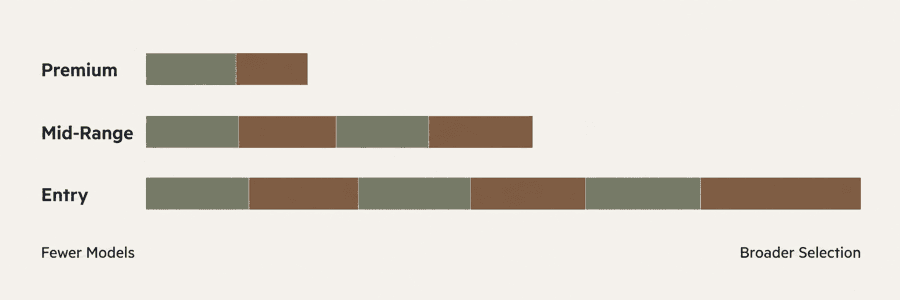
Learn how different scale lengths affect string tension, playability and tone.
Read the technical guideNominal scale examples
Tech & Specs
Set delay time, repeat decay and effect level separately. Calculate quarter and dotted-eighth timings, check tap divisions and practise a clear rhythmic part.
Read Delay Pedal Guide: Time, Feedback and Playing to the BeatTech & Specs
Identify how the ball end seats, compare maker-specific pin fit and choose a compatible replacement. Keep pin height separate from saddle height and action.
Read Guitar Bridge Pins: Seating, Fit and Replacement ChecksComparisons
Compare the two coils within one humbucker. Separate parallel from splitting, read resistance examples correctly and test useful modes without guessing wiring.
Read Series vs Parallel Humbucker: Coils, Noise and Useful SoundsHave a question, suggestion, correction, or collaboration idea? We’d be happy to hear from you.
For general questions about GuitarInsightGuide, website feedback, partnerships, or other enquiries:
contact@guitarinsightguide.comFor article corrections, technical feedback, content suggestions, source updates, contributor enquiries, or editorial matters:
editorial@guitarinsightguide.com