

Electric guitar types
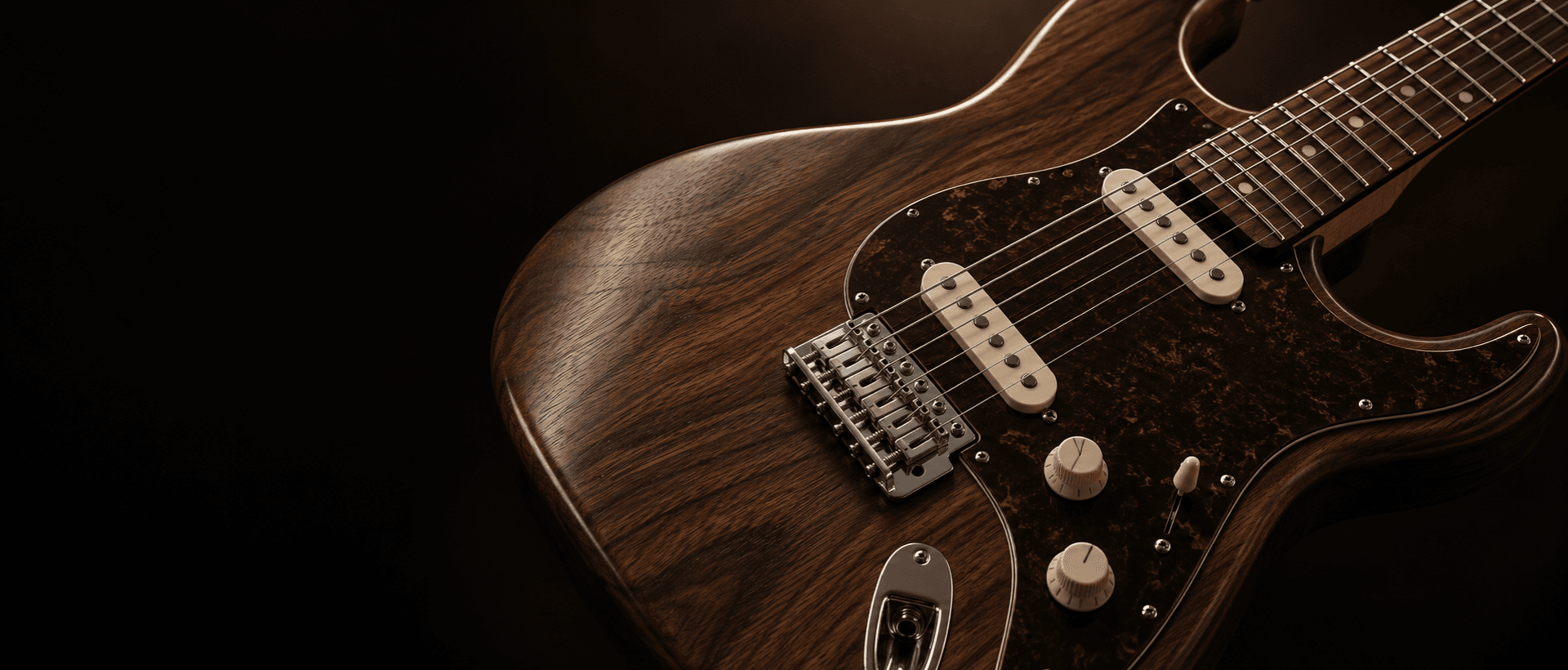
Construction Changes Character
Body structure influences resonance, weight, feedback behavior and playing context.
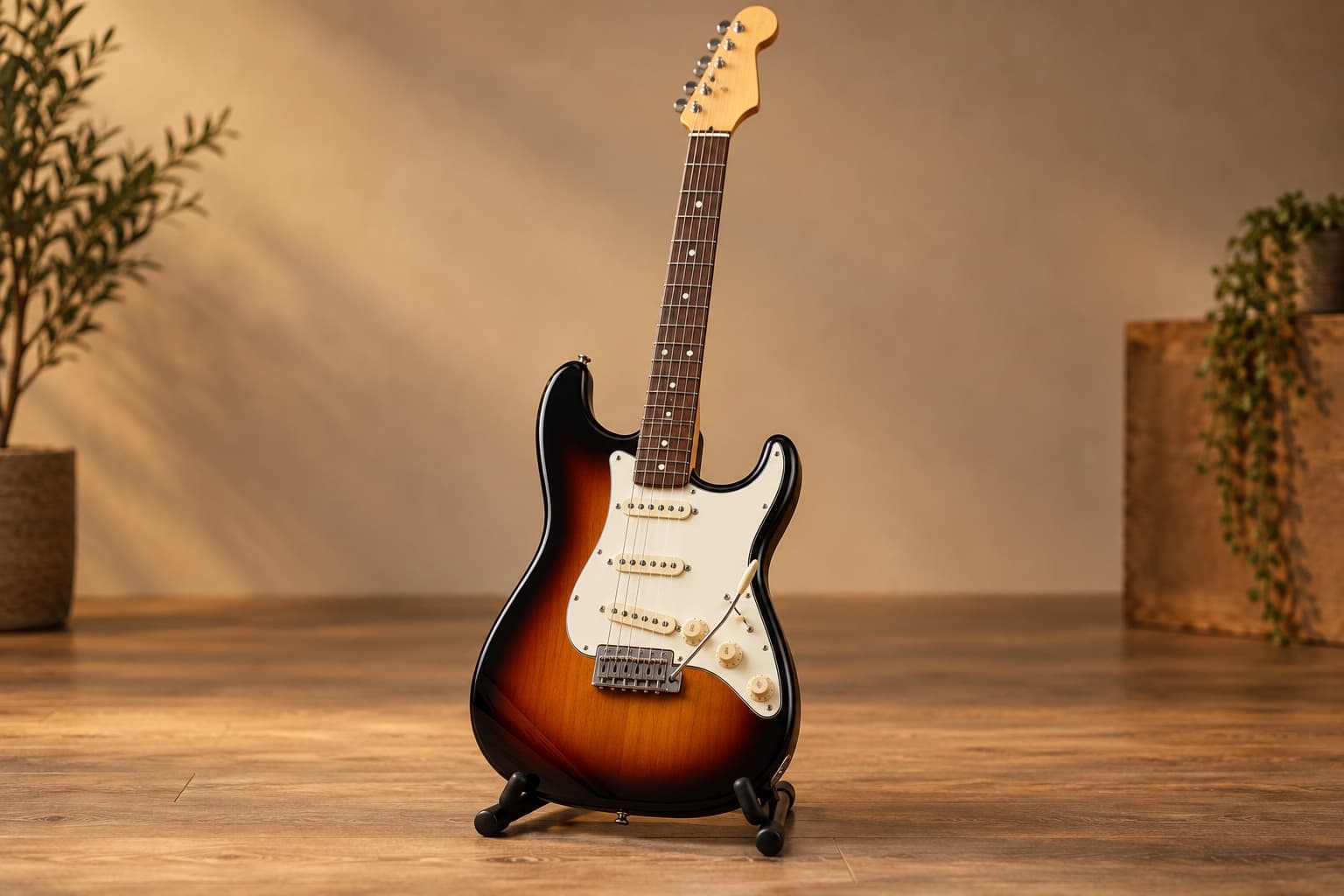
Solid Body
- Character
- Focused, direct
- Typical use
- Rock, pop, metal
- Consider
- Acoustic output is limited without amplification
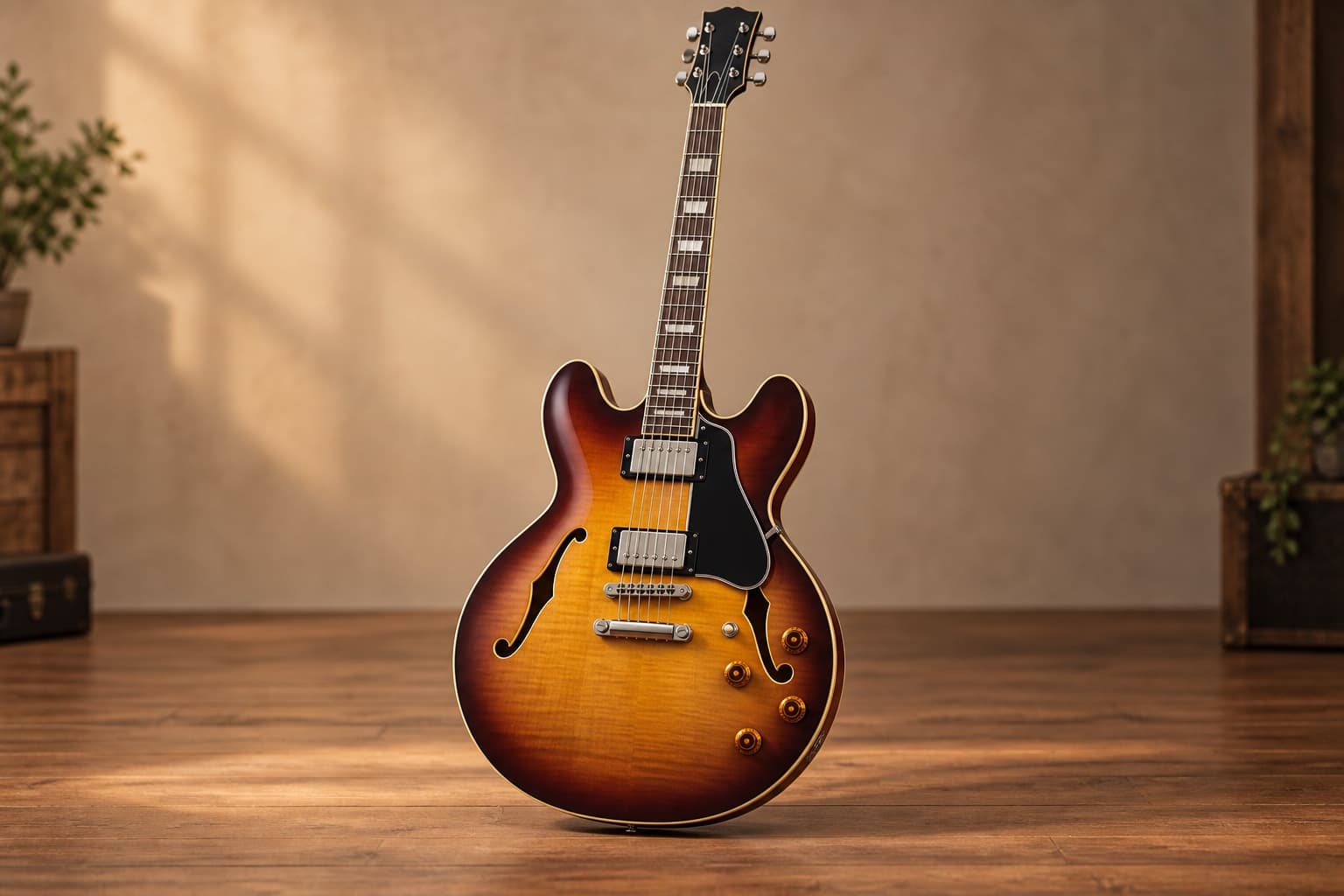
Semi-Hollow
- Character
- Warm, resonant
- Typical use
- Blues, jazz, rock
- Consider
- Can be more feedback-sensitive at high volume
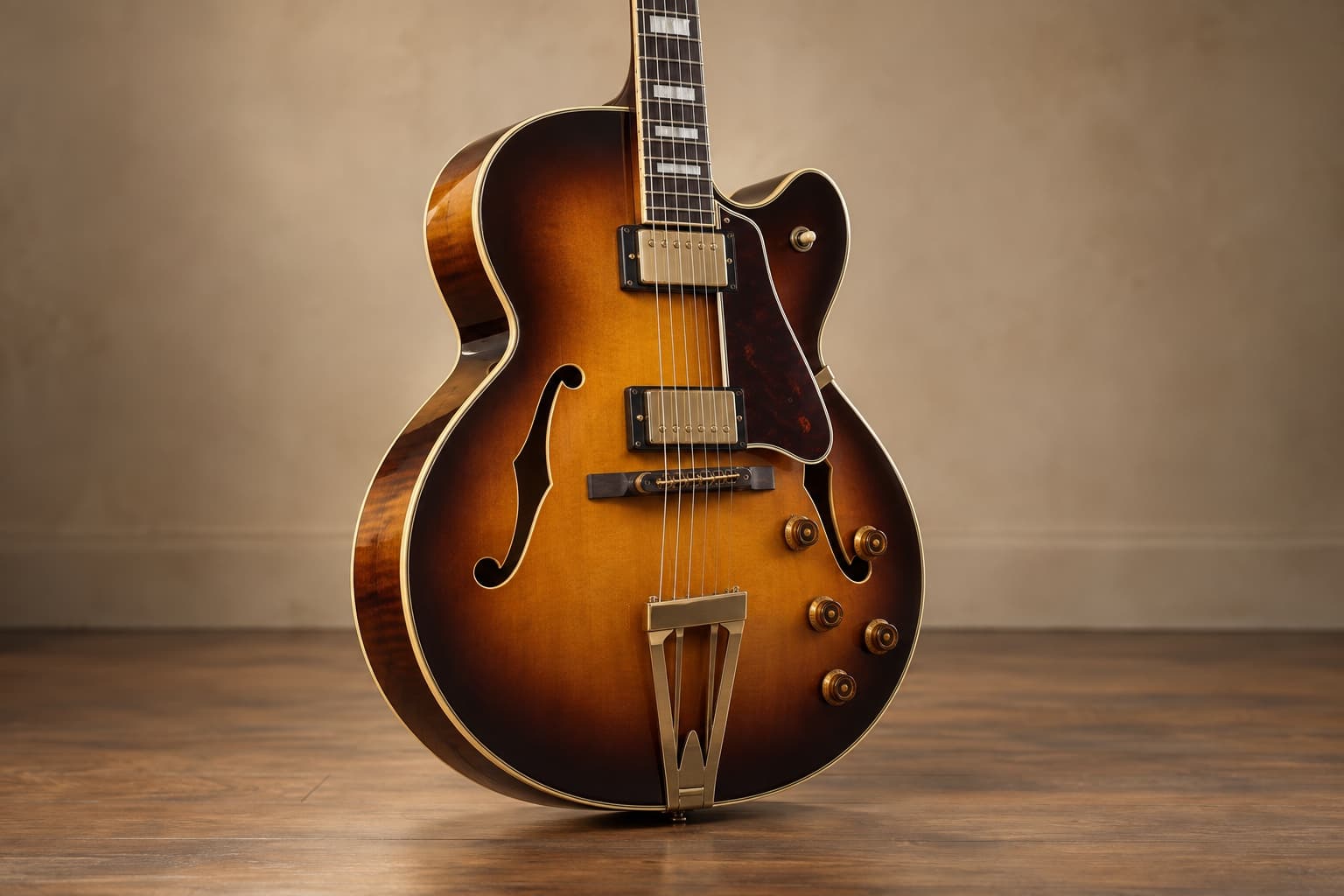
Hollow Body
- Character
- Open, airy
- Typical use
- Jazz, blues, roots
- Consider
- Large body and feedback behavior affect use
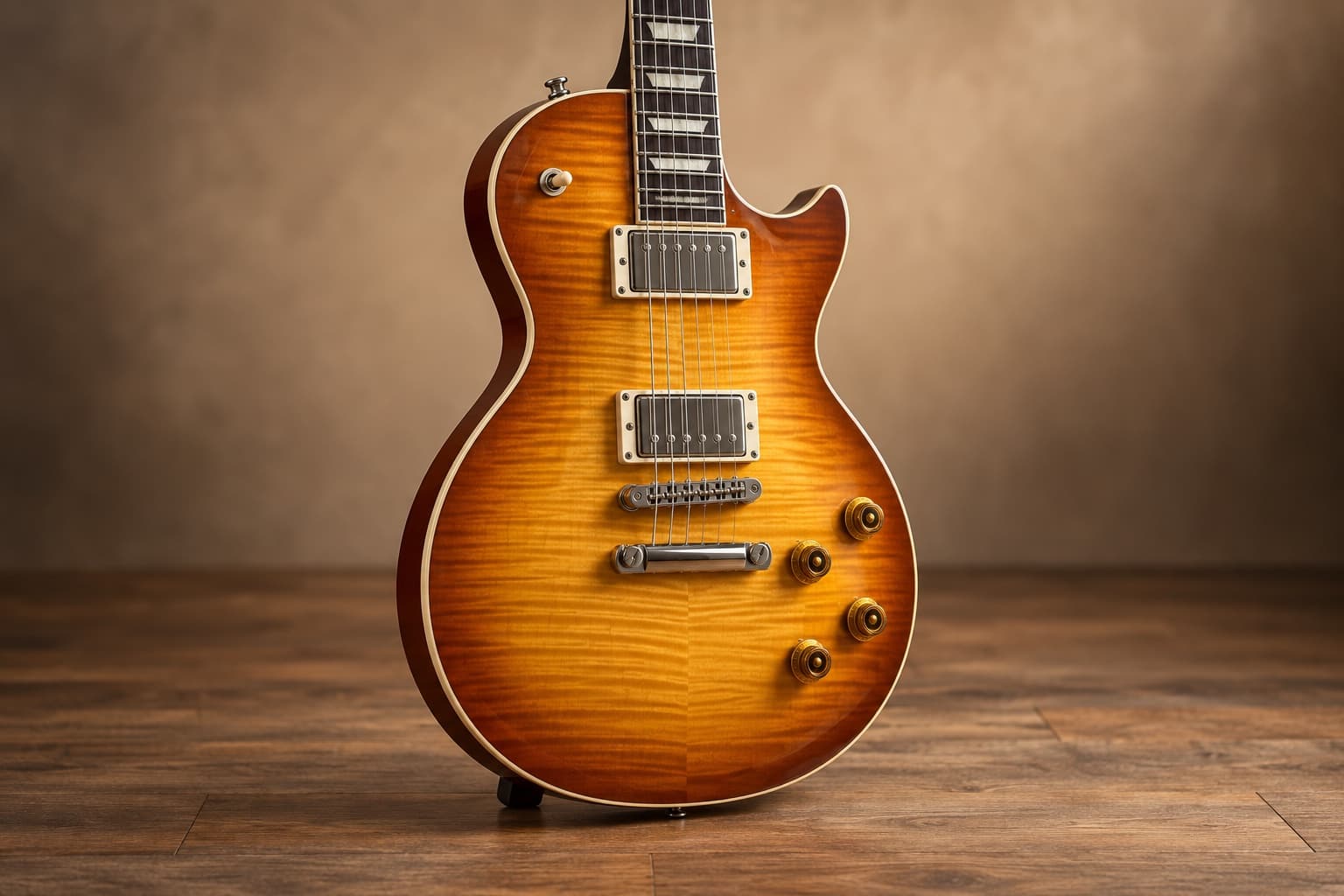
Single Cut
- Character
- Thick, sustaining
- Typical use
- Rock, blues
- Consider
- Weight and upper-fret access vary
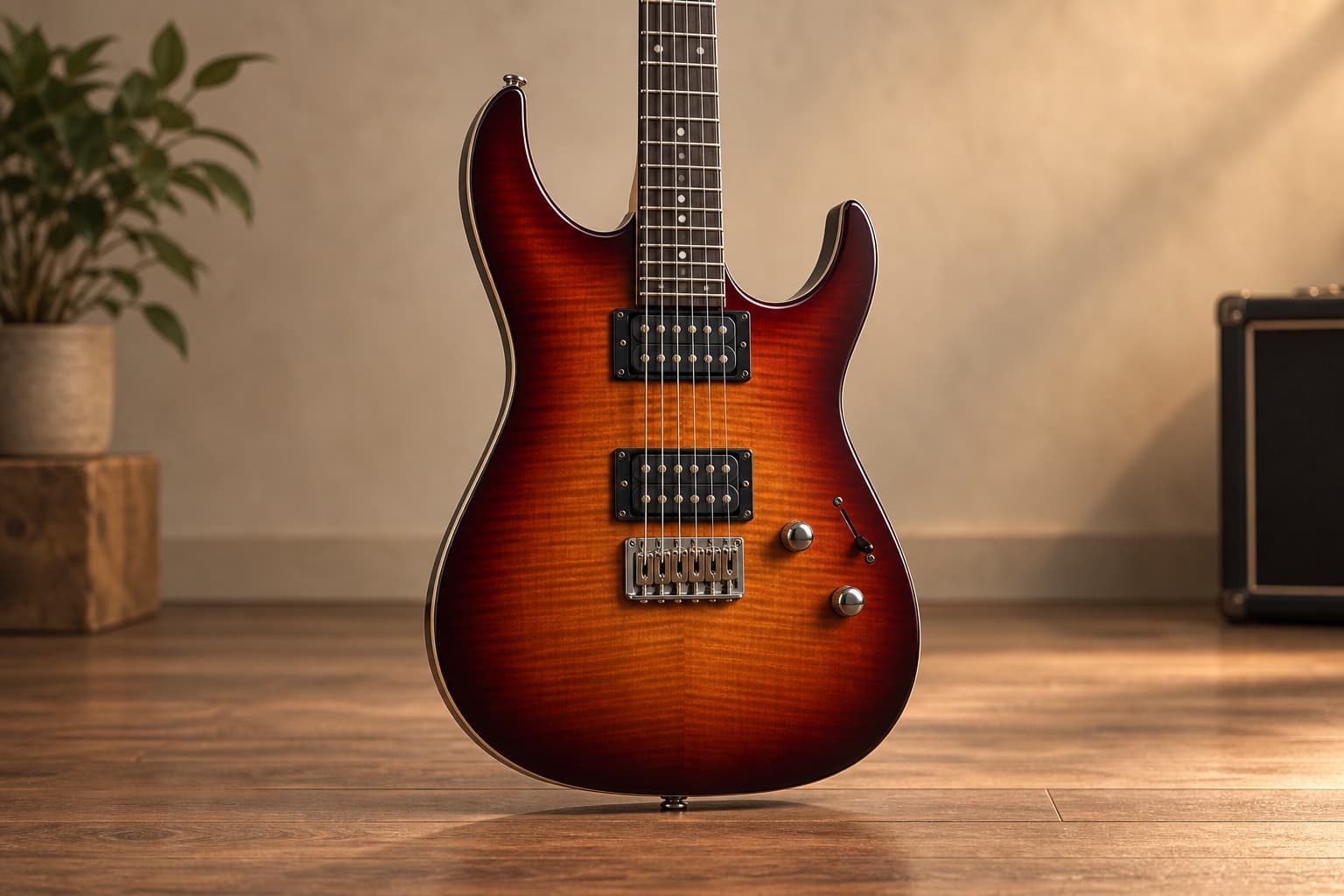
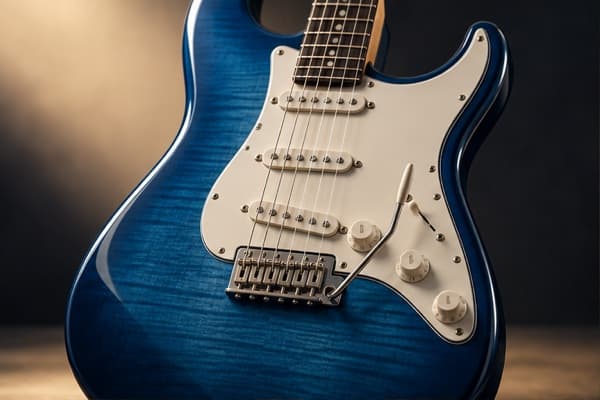
Double Cut
- Character
- Balanced, accessible
- Typical use
- Broad contemporary use
- Consider
- Pickup and bridge layouts vary widely
Acoustic body shapes
Shape Affects Balance and Projection
Compare volume, bass response, comfort and the playing style each body shape commonly supports.
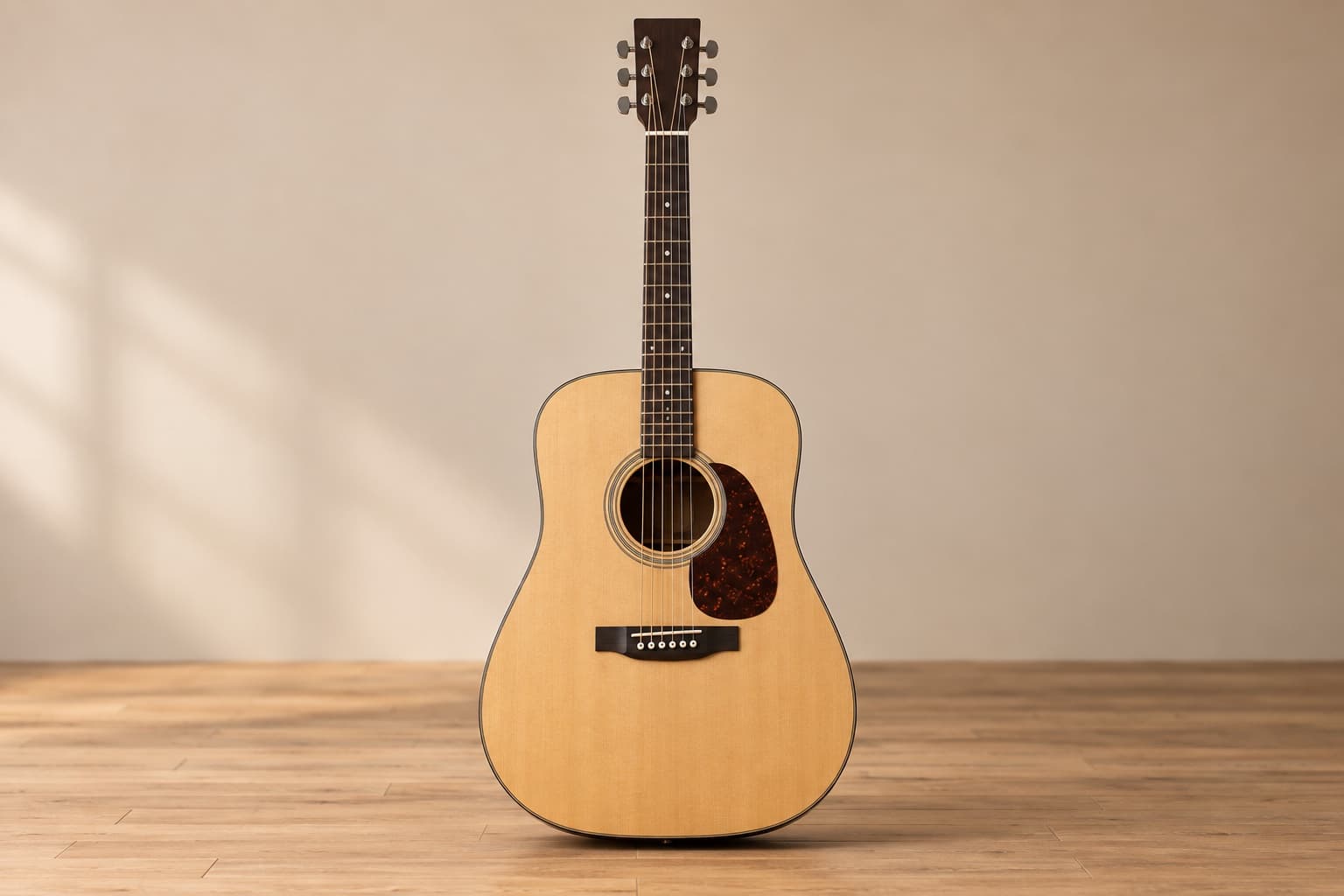
Dreadnought
Bold projection and strong low end.
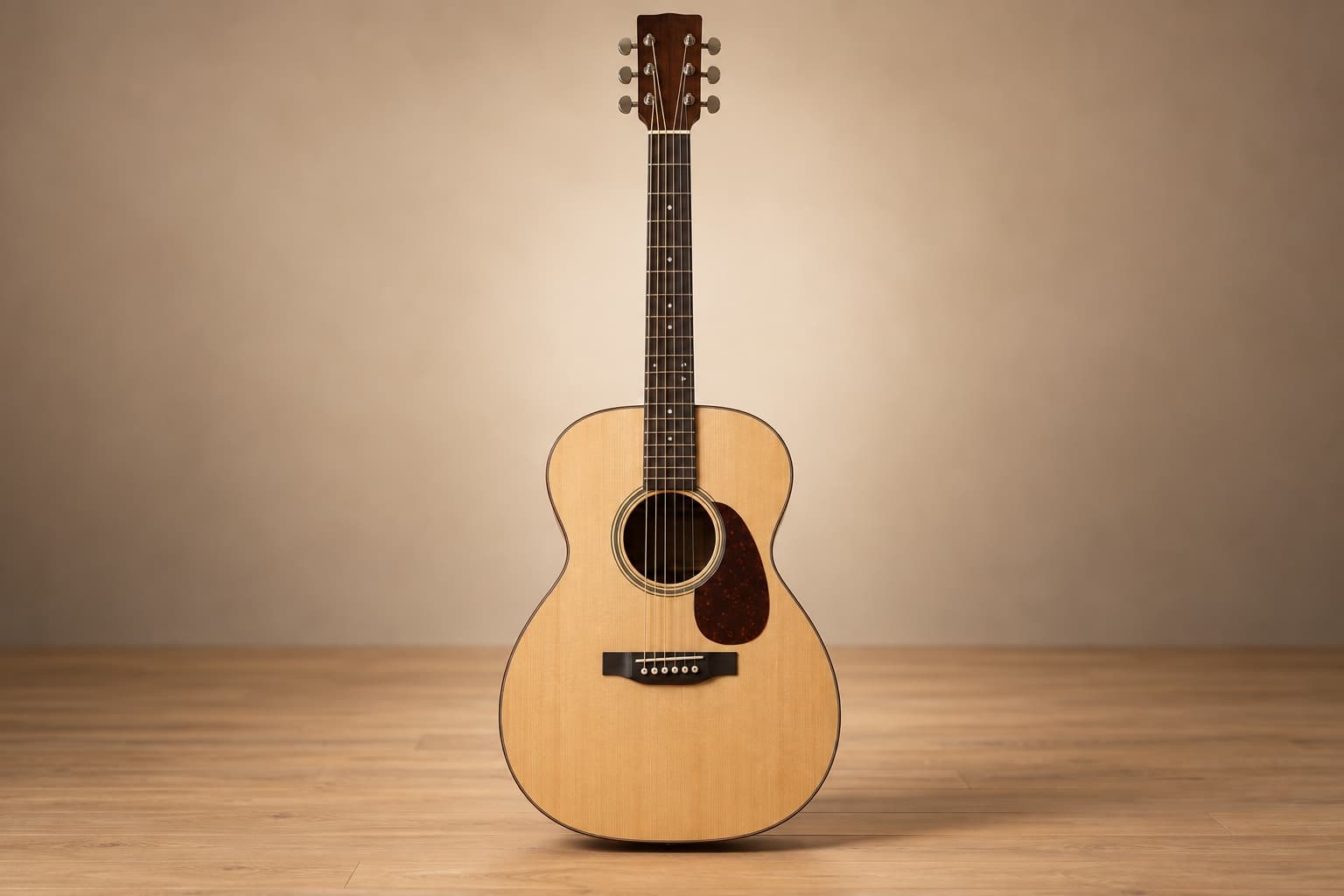
Grand Auditorium
Balanced response and versatile comfort.
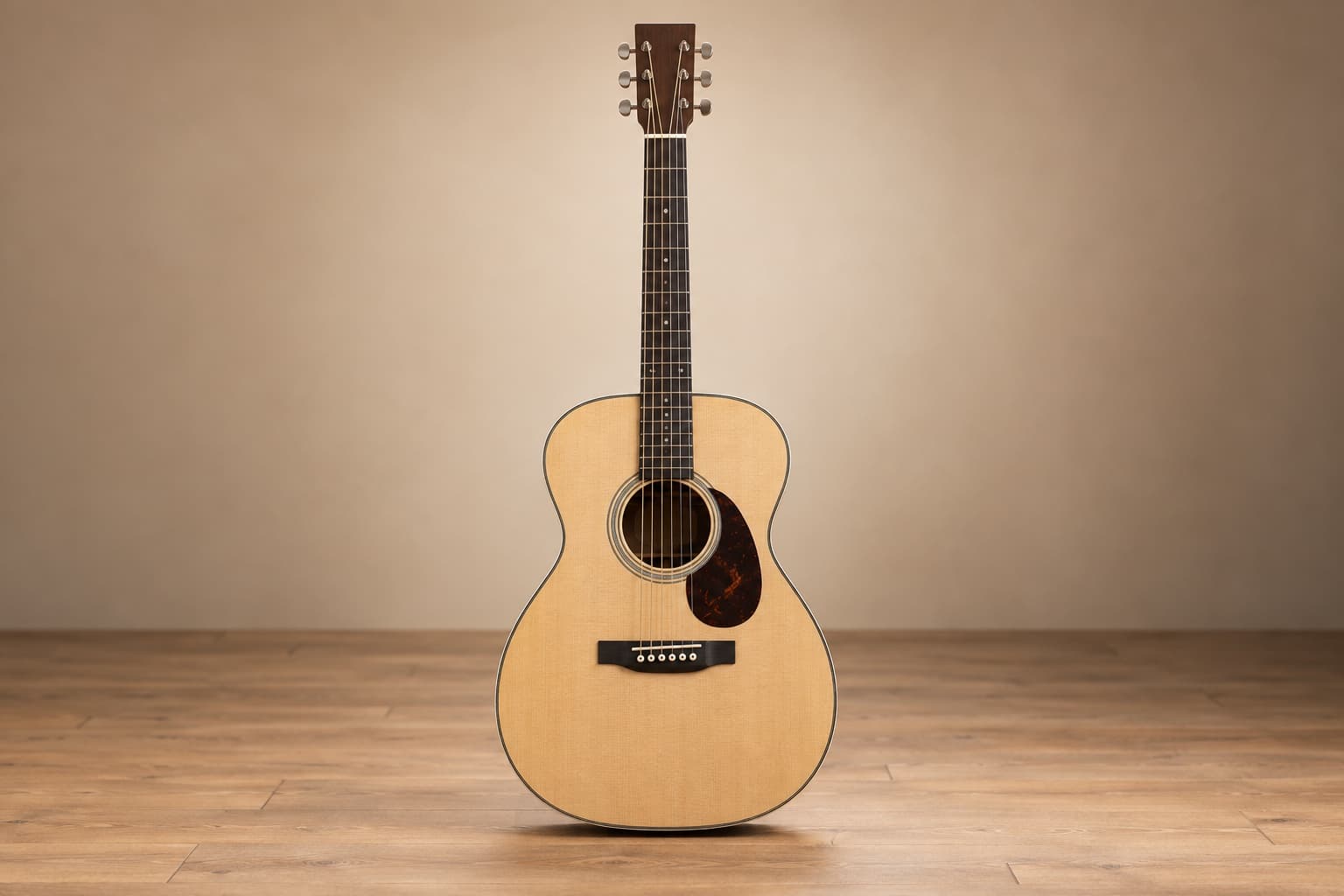
OM / Orchestra Model
Clear articulation with a controlled low end.
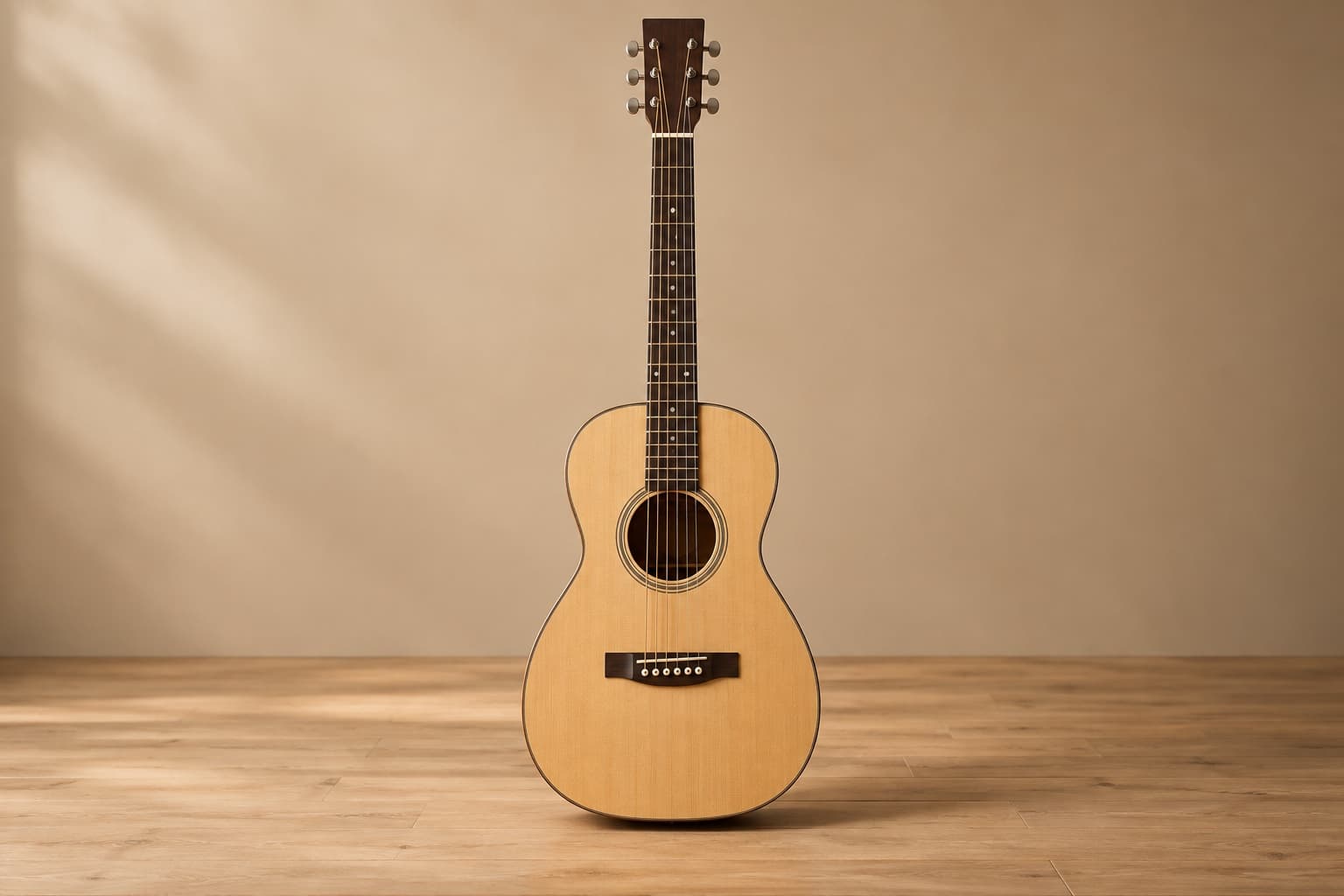
Parlor
Compact feel and focused response.
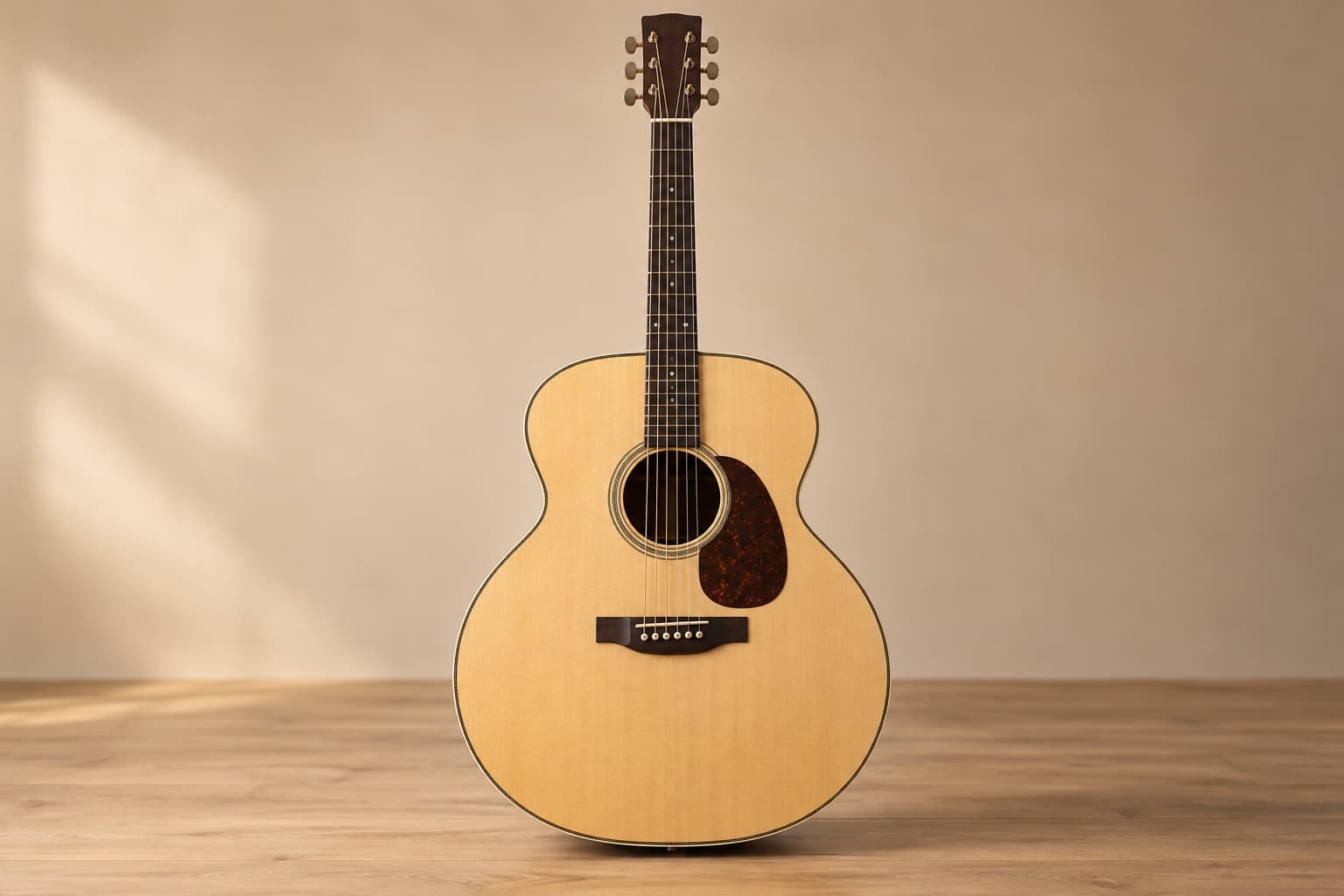
Jumbo
Large body with broad projection.
Classical & nylon body styles
Tradition Meets Modern Playability
Compare full-depth classical and flamenco bodies with crossover, cutaway and stage-oriented nylon-string designs.
Explore the classical buying guide
Traditional Classical
Full-depth nylon-string body with a wide nut and flat fingerboard.

Flamenco
A lighter, responsive body commonly paired with a protective tap plate.

Crossover Nylon
Contemporary neck and body proportions for players crossing from steel strings.

Cutaway Electro-Classical
A cutaway and onboard electronics support upper-fret access and amplified use.

Thin-Body Electro-Nylon
A shallower body reduces depth against the player for stage-focused use.
Bass body styles
Body Shape Changes Balance and Reach
Compare common solid, offset, ergonomic, single-cut and semi-hollow bass constructions as complete instruments.
Explore the bass buying guide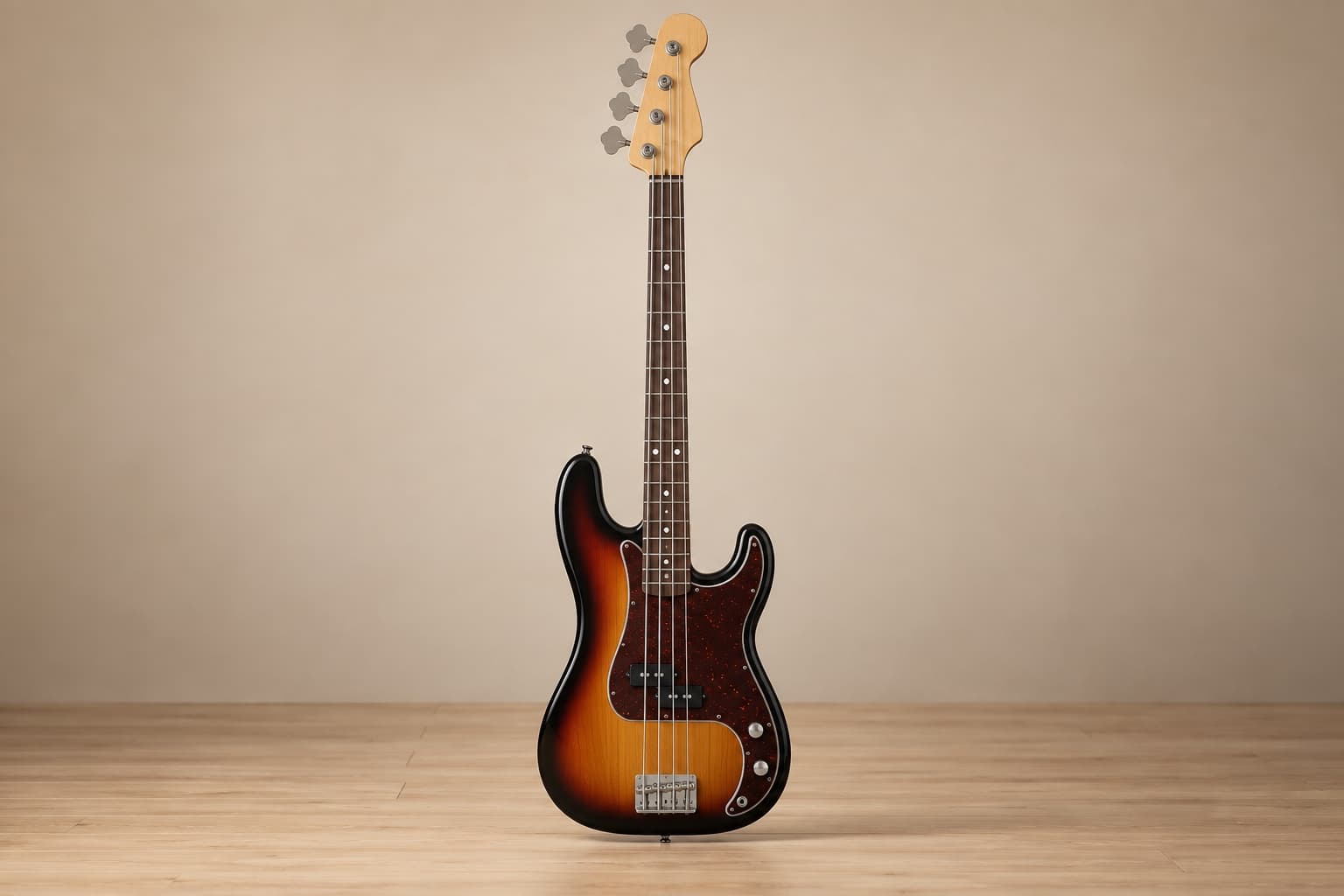
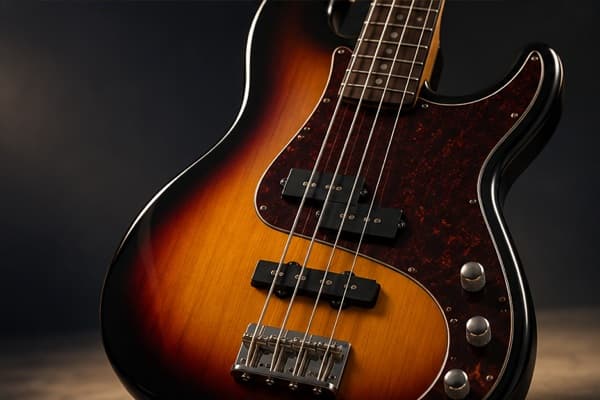
Classic Double Cut
A familiar contoured solid body with a four-string layout.
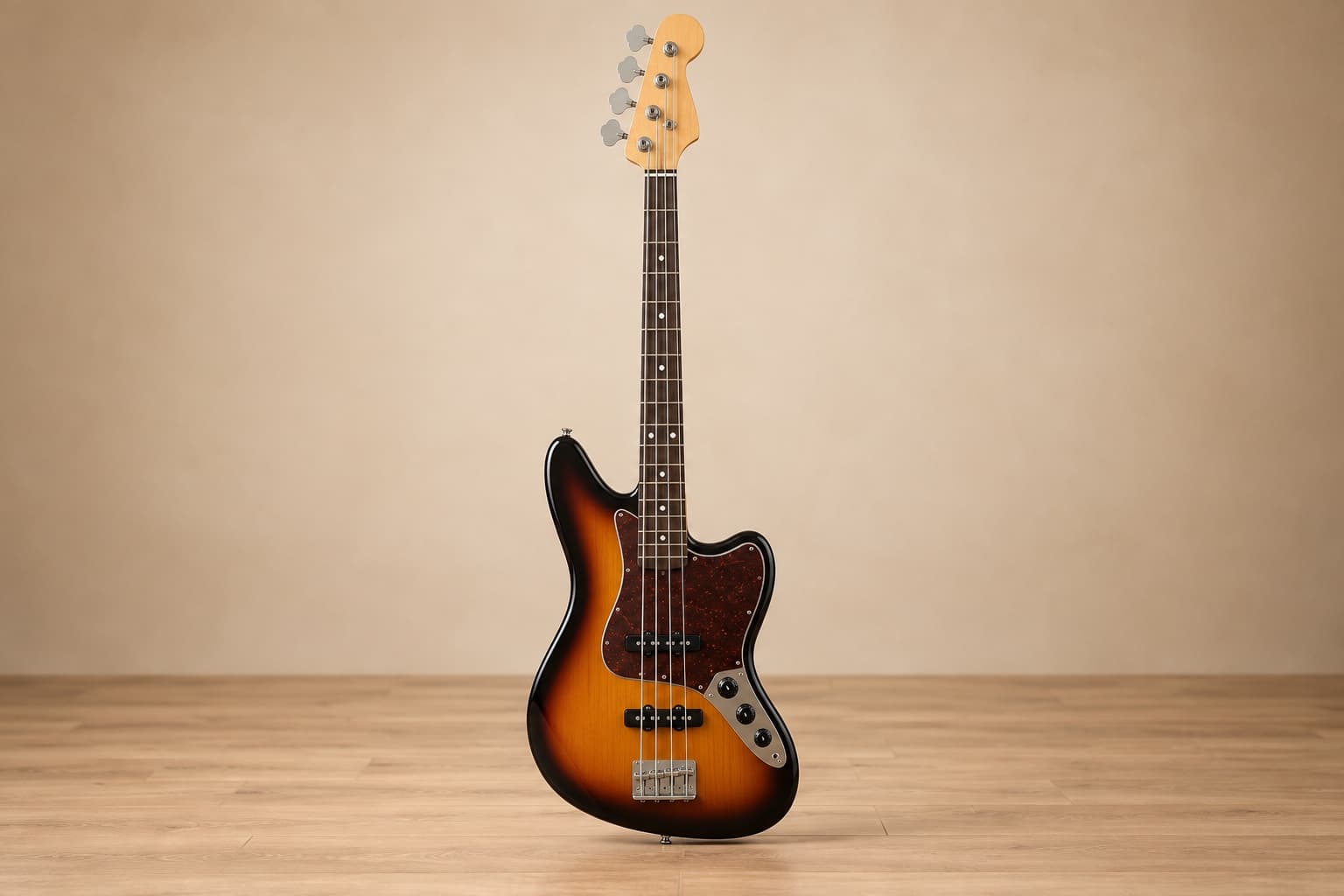
Offset Body
An asymmetric waist changes balance, reach and visual character.
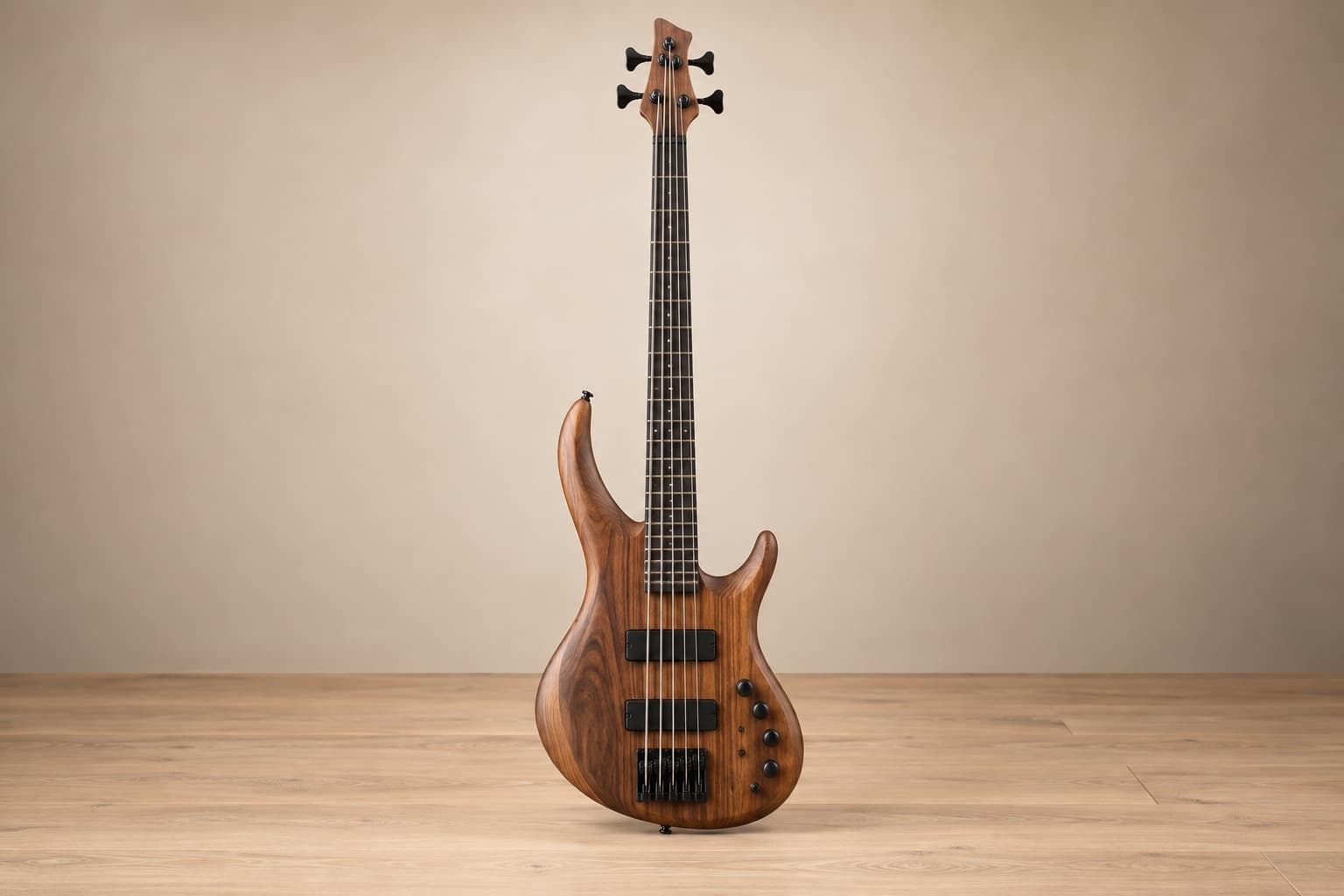
Modern Ergonomic
Sculpted contours and extended horns support balance on a five-string build.
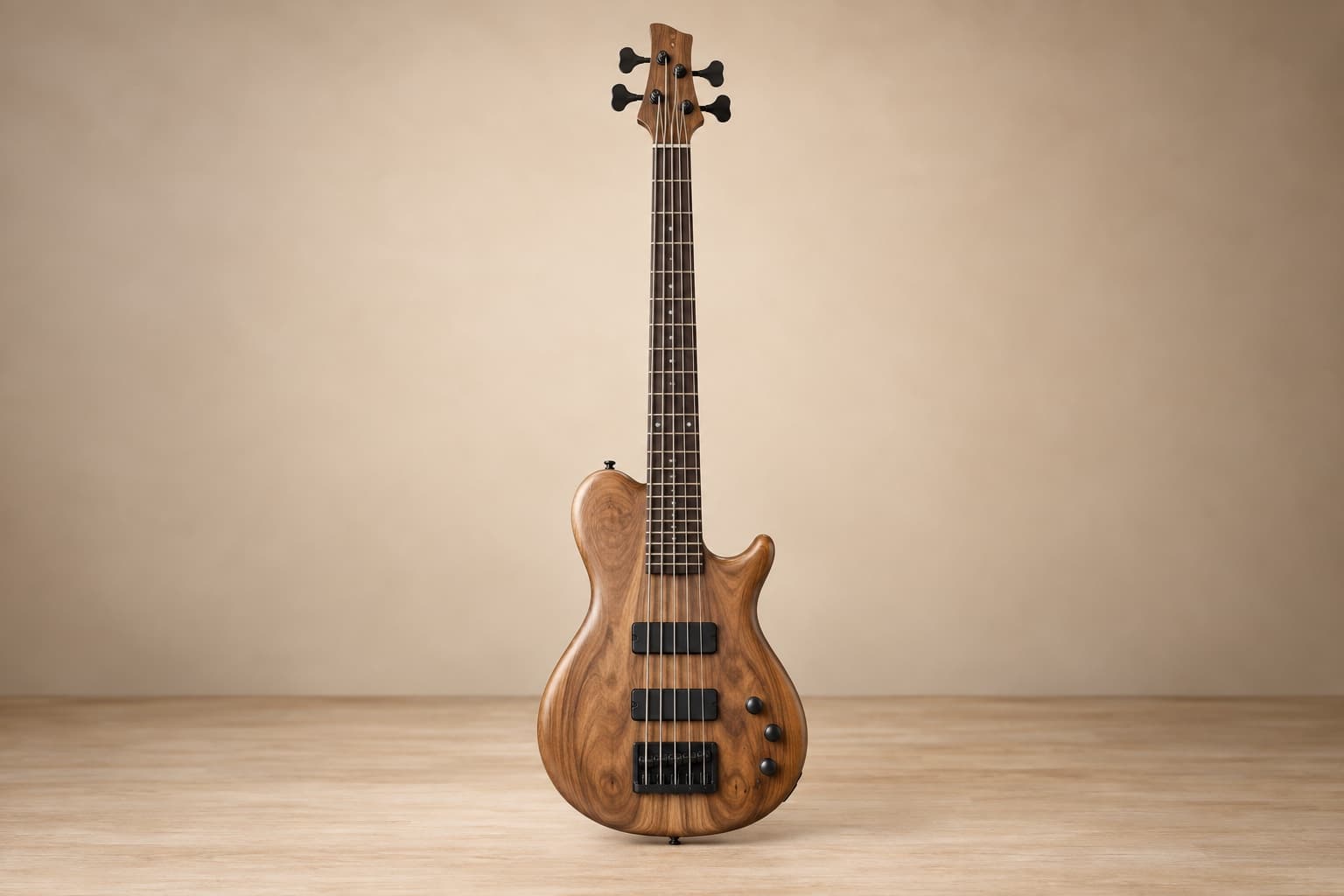
Single Cut
The upper body extends toward the neck joint on this five-string format.
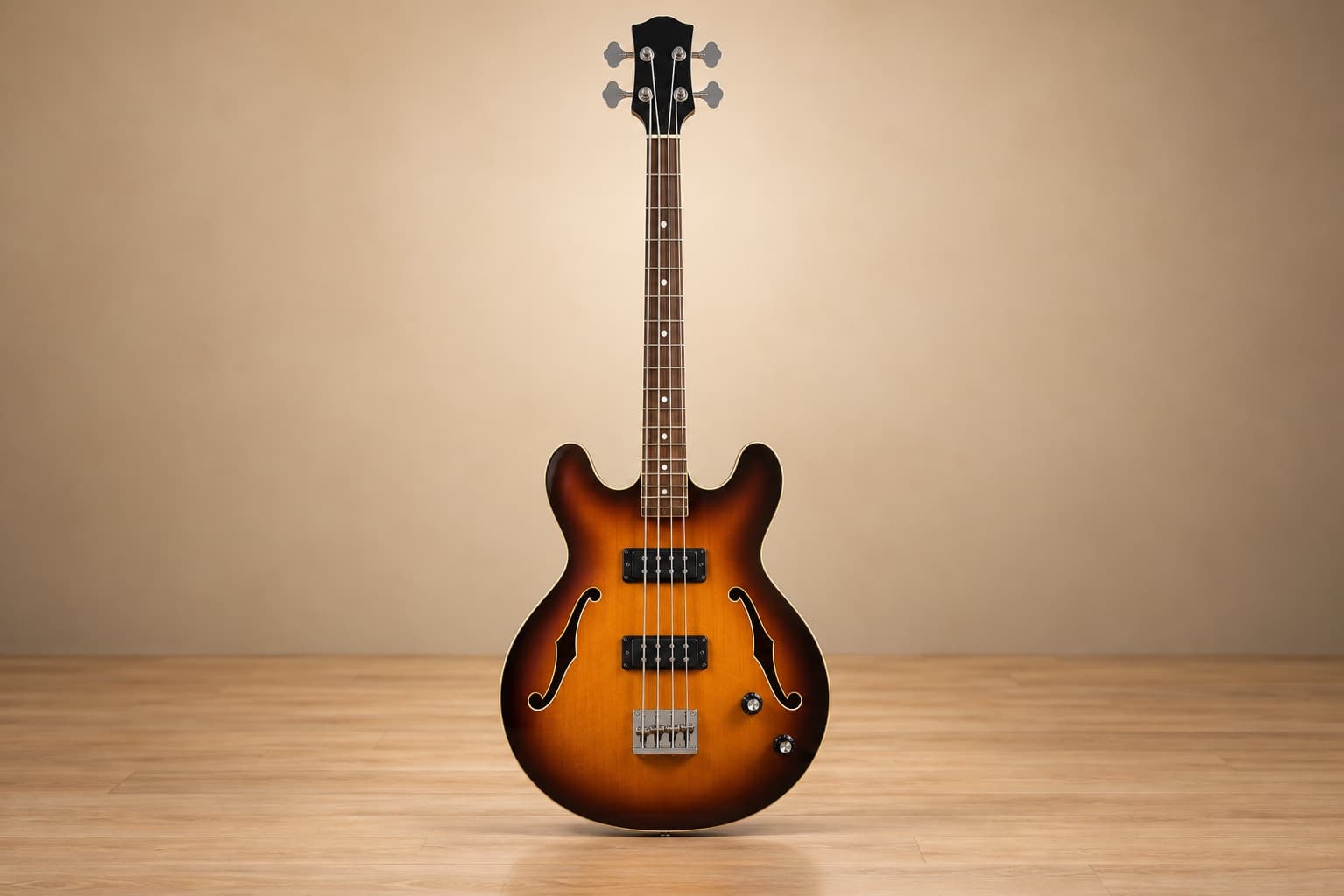
Semi-Hollow
A chambered body and visible sound holes distinguish this four-string design.